

The complete bride's day-of bag checklist
Pack these essentials in a small bridal bag so common beauty, wardrobe, and minor health problems on your wedding day are fixed within minutes. The non-negotiables for every bride’s day-of bag checklist are: a stain remover pen, mini sewing kit, safety pins, blister pads, lipstick, blotting papers, pain relief (paracetamol or ibuprofen), and a phone charger or power bank. Add fashion tape, antihistamine, sanitary products, and a spare earring back, and you have a kit that covers the vast majority of day-of emergencies.
Quick BLUF checklist — copy this into your notes now:
- Stain remover pen
- Mini sewing kit (white, black, and neutral thread)
- Safety pins (assorted sizes)
- Blister pads or moleskin
- Lipstick or lip gloss (your exact shade)
- Blotting papers and pressed powder
- Paracetamol or ibuprofen
- Phone charger or power bank
- Fashion tape
- Antihistamine (for mild reactions)
- Sanitary products
- Spare earring backs
Assign the bag to your maid of honour, wedding planner, or a trusted bridesmaid, and keep it within arm’s reach from getting-ready through to the reception.
Key takeaways
A well-packed bride’s day-of bag, assigned to a reliable keeper and checked 24–48 hours before the wedding, prevents the vast majority of common day-of emergencies.
| Point | Details |
|---|---|
| Pack one week before | Assemble the full kit at least seven days out so you have time to replace expired or missing items. |
| Assign a keeper | Give the bag to your maid of honour, planner, or a trusted bridesmaid before the ceremony begins. |
| Carry prescriptions separately | Per Royal Flying Doctor Service guidance, keep personal medicines in a labelled pouch outside the general kit. |
| Prioritise three items | Stain remover pen, mini sewing kit, and blister pads are the most-used items at real weddings. |
| Adapt for season and venue | Add SPF 50+ and insect repellent for outdoor summer weddings; add a wrap and hand warmers for winter. |
| The Wedding Garter Australia | Bridal hair clips, jewellery sets, and garters from The Wedding Garter Australia double as practical day-of spares. |
Table of Contents
- What is a wedding day emergency kit and who should hold it?
- What goes in your bride’s day-of bag checklist?
- How do you organise the bag for fast access?
- Australia-specific health and medication notes for your kit
- Ready-made kit vs DIY: which suits your wedding?
- When should you pack the bag and do a final check?
- The Wedding Garter’s perspective on what actually gets used
- Personalise your bride’s day-of bag with bridal accessories
- Sources
- FAQ
What is a wedding day emergency kit and who should hold it?
A wedding day emergency kit is a small, grab-and-go pouch that covers head-to-toe day-of snags: beauty touch-ups, wardrobe fixes, and minor health needs. Think of it as a compact problem-solver, not a full overnight bag. Wedding pros recommend itemising by category and assigning the kit to someone dependable before the ceremony begins.
Who typically holds the bag:
- Maid of honour. The most common choice. She knows the schedule, stays close, and can hand items over discreetly. The downside: she is also in photos, so the bag needs a safe spot during formal shots.
- Wedding planner or coordinator. Ideal if you have one. Planners are mobile, hands-free, and used to managing logistics. They will not be distracted by their own dress or hair.
- Mother of the bride. Works well for smaller weddings where she is not in every photo. Less ideal for large bridal parties where she may be pulled in different directions.
Where to keep it during the day:
- Bridal suite during getting-ready
- Handoff to the designated carrier before the ceremony processional
- Labelled tote or clear bag left at the head table or with the venue coordinator during the reception
Pro Tip: Choose your keeper based on three things: reliability, mobility, and phone access. They need to be reachable by text throughout the day, not seated at a table far from the dance floor.
What goes in your bride’s day-of bag checklist?
Easy Weddings’ 48-item checklist groups kit items into beauty, fashion, health, and bride-specific extras, which is the most practical way to pack and find things fast. Here is the full category-by-category breakdown.
Beauty and makeup touch-ups
- Lipstick or lip liner (the exact shade you are wearing)
- Blotting papers and pressed powder or setting powder
- Concealer (matched to your foundation)
- Setting spray
- Mini mirror
- Lash glue and a spare set of lashes
- Cotton buds and makeup remover wipes
- Small brush or fine-tooth comb
- Mini hairspray
- Travel deodorant
Wardrobe fixes
- Mini sewing kit with white, black, and neutral threads
- Safety pins in assorted sizes
- Fashion tape (double-sided)
- Hemming tape
- Clear nail polish (seals runs and loose threads)
- Spare buttons (matching your dress if possible)
- Small scissors
- Lint roller
- Stain remover pen
- Spare earring backs
- Dress weights for outdoor or windy venues
- Spare flat sandals or ballet flats
- Blister pads and moleskin
Photographers and experienced wedding vendors consistently flag blotting sheets, glue dots, and dental floss as less obvious items that repeatedly solve unusual day-of problems.
Health and hygiene
- Paracetamol and ibuprofen
- Antihistamine (for mild allergic reactions)
- Plasters and blister plasters
- Sanitary products
- Eye drops
- Antiseptic wipes
- Hand sanitiser
- Hydration tablets
- Insect repellent (outdoor or warm-weather weddings)
- SPF 50+ sunscreen (outdoor or summer ceremonies)
Snacks and comfort
- Protein bars or crackers (non-messy, non-staining)
- Sealed water bottle
- Mints or breath strips
- A calming remedy if you use one regularly
Tech and documents
- Phone charger and power bank
- Printed copy of the itinerary and all vendor contact numbers
- Small cash or pre-labelled tip envelopes
- Photo ID
- Any personal prescriptions (kept separately — see the health section below)
Bride extras
- Perfume sample or travel-size bottle
- Spare lightweight jewellery (small studs as a backup)
- Printed copy of your vows
- A small sentimental keepsake
- Tissues and a small hand towel
Seasonal swaps: For a summer outdoor ceremony, swap in extra SPF, a USB fan, and additional water. For a winter indoor reception, add a foldable wrap or shawl and hand warmers. Wedding WA recommends insect repellent, extra water, and a USB fan for hot or remote Australian settings.
Pro Tip: Print a single-page checkbox version of this list and run through it during your hair and makeup trial. That rehearsal is the best time to spot gaps before the wedding week.
How do you organise the bag for fast access?
Speed matters when a button pops five minutes before the processional. The right bag structure means your keeper finds the sewing kit in seconds, not after emptying everything onto a bathroom counter.
Bag type by use case:
A small multi-pocket cosmetic pouch works well for the getting-ready block: enough space for all categories, easy to carry, and simple to hand off. A bridal clutch or mini evening bag suits the reception, holding only the most-used items (lipstick, blotting papers, mints, phone). A labelled tote is the right choice for the full kit during transport between venues.
Use clear zip pouches, colour-coded by category: one for beauty, one for wardrobe fixes, one for health items. Label each pouch on the outside with its contents. This system means anyone, including a venue coordinator who has never seen the bag before, can locate the right pouch immediately.
Packing order inside the bag:
- Frequently used items (lipstick, blotting papers, mints) in the external pocket or top of the bag
- Delicate items (spare jewellery, perfume) cushioned in a small fabric pouch
- Flat, heavy items (sewing kit, power bank) at the base
Sub-kits for different moments:
- Full bridal tote: getting-ready block through to ceremony
- Compact clutch: reception and dancing (lipstick, blotting papers, mints, phone charger)
- Groomsman or bridal party pouch: a pared-back version with safety pins, fashion tape, pain relief, and mints
Pro Tip: Write the keeper’s name and mobile number on a luggage tag attached to the bag, and tuck a printed copy of the run sheet inside. If the bag gets set down at the venue, anyone can return it to the right person.
Australia-specific health and medication notes for your kit
Short answer: carry personal prescriptions separately from the bridal kit. Keep non-prescription first-aid supplies in the bag, and never assume a generic kit covers individual medical needs.
The Royal Flying Doctor Service advises that it is not recommended to store prescription medicines in a first-aid kit, and that first-aid items can have use-by dates. Check every item in your kit for expiry dates at least a week before the wedding.
For brides with known anaphylaxis risks, the Australian Immunisation Handbook describes the contents and management of an anaphylaxis response kit, including multiple ampoules of adrenaline 1:1000 and laminated dosing instructions. This type of kit must be managed by trained personnel, not tucked into a general bridal bag. Notify your venue coordinator and wedding planner of any severe allergy so they can prepare accordingly.
Practical local tips:
- Bring antihistamine for mild reactions to Australian flora, fauna, or food at the reception
- Know the address of the nearest hospital or after-hours medical clinic to your venue
- Make sure your kit keeper has the ambulance number (000) saved in their phone
- Test all over-the-counter products (antihistamines, adhesive plasters) before the wedding day to check for skin sensitivities
- For outdoor Australian venues, add insect repellent and SPF 50+ sunscreen regardless of season
Pro Tip: Keep prescription medicines in a clearly labelled separate pouch with dosage instructions written on the outside. Include a brief note for the keeper explaining what the medication is for, so they can assist confidently if needed.
Ready-made kit vs DIY: which suits your wedding?
Both work. The right choice depends on how much time you have and how specific your needs are.
Emmaline Bride notes that ready-made kits are available but many brides prefer DIY so they can include personal and venue-specific items. That preference makes sense: a ready-made kit covers the universal basics quickly, while a DIY kit can be tailored to your dress style, health needs, and venue conditions.
Ready-made kits:
- Convenient and fast to order
- Usually cover the core beauty and wardrobe categories
- May miss personal items (your exact lipstick shade, your specific prescription, your preferred pain relief)
- Good as a base to supplement with personal additions
DIY kits:
- Fully tailored to your needs
- Takes more time to assemble
- Lets you match items to your dress, venue, and season
- Easier to check expiry dates and quantities yourself
Scenario-based swaps:
- Beach or outdoor summer wedding: Add SPF 50+, extra water, insect repellent, a mini USB fan, and a small towel. Wedding WA highlights these as particularly relevant for hot and remote Australian venues.
- Winter indoor wedding: Add a foldable wrap or shawl, hand warmers, and lip balm for dry indoor heating.
- Remote venue: Double up on water, add a second power bank, and include a basic first-aid kit with extra antiseptic wipes and plasters.
Pro Tip: Walk through your wedding day timeline hour by hour and ask “what could go wrong here?” That mental walkthrough, recommended by wedding planners, surfaces the venue-specific items a generic list will miss.
When should you pack the bag and do a final check?
Pack at least one week before the wedding. Do a final check 24–48 hours before, then a quick count on the morning itself.
One Fab Day recommends packing early and delegating to a reliable holder, while Easy Weddings’ guidance aligns on the one-week lead time as the point at which you have enough runway to replace anything expired or missing.
Assembly timeline:
- One week before: Assemble the full kit using the category checklist. Check expiry dates on all first-aid items and OTC medicines.
- Hair and makeup trial: Run through the kit during the trial. Use this session to test products and identify gaps.
- 48 hours before: Final inventory check. Replace anything used, expired, or the wrong size. Add duplicates for long days or multi-venue events.
- Morning of the wedding: Quick grab-and-count of the top 12 must-haves (stain pen, sewing kit, safety pins, blister pads, lipstick, blotting papers, pain relief, phone charger, fashion tape, antihistamine, sanitary products, spare earring backs). Hand the bag to the keeper before getting dressed.
- Before the ceremony: Confirm the keeper has the bag and knows where the most-used items are.
Final inventory to hand to your kit keeper:
- Stain remover pen
- Mini sewing kit
- Safety pins (assorted)
- Blister pads
- Lipstick (your shade)
- Blotting papers
- Paracetamol or ibuprofen
- Phone charger or power bank
- Fashion tape
- Antihistamine
- Sanitary products
- Spare earring backs
The Wedding Garter’s perspective on what actually gets used
From what The Wedding Garter Australia sees across real weddings, three items come out of the bag more than anything else: blister pads, the sewing kit, and the stain remover pen. Shoes that felt perfect at the fitting become a problem by the third hour of standing. A loose button or a hem that catches underfoot are both fixed in under two minutes with the right kit. A stain pen used within the first sixty seconds of a spill leaves almost no trace.
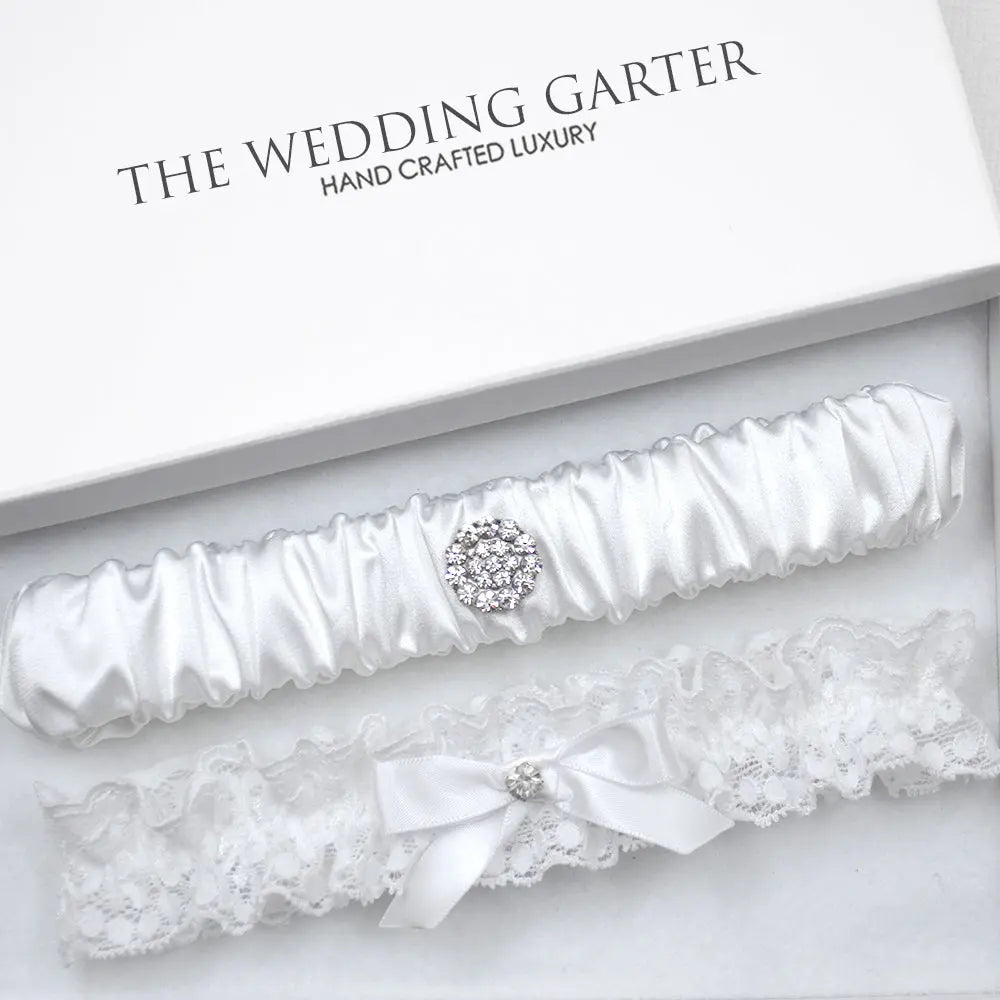
The items brides most often forget are the small jewellery spares. A lost earring back during photos is a genuine disruption, and it is solved by a tiny zip bag of spare backs that weighs almost nothing. The same logic applies to a bridal accessories checklist: the pieces you choose for your wedding day, whether a hair clip, a garter, or a jewellery set, are also the pieces most likely to need a quick adjustment mid-day. Keeping a spare or a backup in the bag means you never have to choose between comfort and the look you planned.
Personalise your bride’s day-of bag with bridal accessories
The practical bag and the beautiful bag do not have to be two separate things. A well-chosen bridal accessory can pull double duty: a Delicate Crystal Luxury Bridal Hair Clip tucked into the kit gives you a polished backup if your updo needs a quick fix mid-reception. A Vintage Art Deco Style Bridal Jewellery Set or a Sterling Silver Cubic Zirconia Pendant Bridal Jewellery Set gives you a spare, polished look if your main jewellery needs attention. For the finishing touch below the dress, a Satin Bridal Garter With Floral Design or a Vintage Ivory Lace & Satin Bridal Garter is a compact, lightweight addition that takes up almost no space in the bag.
The Wedding Garter Australia’s full range of bridal accessories, lingerie, and garters, including the Luxury White Lace Lingerie Chemise For Brides, Romantic Lace Underwire Bridal Bustier, and Delicate Sheer Lace Bridal Bustier Lingerie, are designed for exactly this kind of day: where every detail matters and every piece needs to work as hard as it looks. Browse the full collection at The Wedding Garter Australia and add the pieces that complete your day-of bag.
Sources
- Preparing an anaphylaxis response kit
- Royal Flying Doctor Service – First aid
- Wedding day emergency kit checklist: 48 essentials
- What To Put In A Wedding Day Emergency Kit | One Fab Day
- Emergency Kit for Bride Wedding Day | Bridal Checklist: 25 Must-Have Items List
- Ultimate Wedding Day Emergency Kit Checklist: Be Prepared for Anything - Wedding WA
- Wedding Day Emergency Kit: Everything You Need to Include
This article is general information, not a substitute for advice from a qualified doctor. Consult a qualified healthcare professional about your own circumstances before acting on anything here.
FAQ
What should a bride put in her day-of bag?
The core items are a stain remover pen, mini sewing kit, safety pins, blister pads, lipstick, blotting papers, pain relief, phone charger, fashion tape, antihistamine, sanitary products, and spare earring backs. Add sunscreen and insect repellent for outdoor Australian ceremonies.
What are the five things a bride needs on her wedding day?
Traditions vary, but the five practical must-haves are: something to fix a wardrobe emergency (safety pins and fashion tape), something for pain or discomfort (blister pads and paracetamol), a beauty touch-up item (lipstick and blotting papers), a phone charger, and sanitary products.
Who should carry the bridal emergency kit?
The maid of honour or wedding planner is the most reliable choice, as recommended by wedding professionals. They stay mobile throughout the day, know the schedule, and can hand items over quickly without disrupting photos or the ceremony.
When should you pack the bridal bag?
Pack the full kit at least one week before the wedding, run through it during your hair and makeup trial, and do a final check 24–48 hours before the day. A quick count of the top 12 items on the morning itself confirms nothing has been left behind.
Do you need a separate kit for prescriptions?
Yes. The Royal Flying Doctor Service advises keeping prescription medicines out of a general first-aid kit. Store them in a clearly labelled separate pouch with dosage instructions, and brief your kit keeper on what they are for.
Recommended
- Bridal accessories checklist for Australian brides – The Wedding Garter
- The Ultimate Guide to Bridal Clutches: Find Your Perfect Big Day – The Wedding Garter
- Ultimate Guide to Finding Perfect Bridal Accessories for Your Wedding – The Wedding Garter
- The Ultimate Bridal Robes Buying Guide: Find Your Perfect – The Wedding Garter


