

Shapewear vs corset: which one is right for you?
Shapewear is the better choice for everyday smoothing and all-day comfort; a corset is the right pick when you want dramatic waist definition for a short, special occasion. Shapewear uses elastic compression fabric to move with your body, while a corset uses rigid boning and lacing to actively reshape your torso. Most wearers can keep shapewear on all day without discomfort, whereas a corset is typically comfortable for a few hours at a time. If you have any health concerns, including pregnancy, recent surgery, or a respiratory or digestive condition, consult your GP before wearing either garment with firm compression.
- Shapewear: flexible, breathable, suits daily wear and most dress silhouettes
- Corset: structured, dramatic, best for formal events and short sessions
- Safety note: neither garment causes lasting fat loss; effects are temporary while worn
Key takeaways
Shapewear suits all-day comfort and everyday smoothing; a corset delivers dramatic waist definition for short, special-occasion wear, and neither garment produces lasting body change.
| Point | Details |
|---|---|
| Shapewear for daily wear | Flexible compression suits all-day events; choose medium compression for bridal wear. |
| Corset for formal occasions | Best worn for 2–4 hours; requires precise measurement and a gradual break-in period. |
| Safety first | Stop wearing immediately if you feel numbness, dizziness, or cannot take a full breath. |
| Bridal fit tip | Bring your shaper to every dress fitting, not just the final one, to catch fit changes early. |
| The Wedding Garter Australia | Offers bridal bustiers, corsets, and lingerie for Australian brides, shipped from the Gold Coast. |
Table of Contents
- How do shapewear and corsets compare side by side?
- What is shapewear, and how does it work?
- What is a corset, and what makes it different?
- When should you choose shapewear or a corset?
- What are the health and safety risks you need to know?
- How do you measure and fit shapewear or a corset correctly?
- Can you wear shapewear and a corset at the same time?
- How do you care for shapewear and corsets to make them last?
- A bridal lingerie specialist’s note
- Bridal shapewear and corsets from The Wedding Garter Australia
- Sources
- FAQ
How do shapewear and corsets compare side by side?
The table below covers the seven dimensions that matter most when you are deciding between a corset or shapewear.
| Dimension | Shapewear | Corset |
|---|---|---|
| Purpose / best use | Daily smoothing, travel, bridal under-layer | Formal events, photoshoots, waist training sessions |
| Compression level | Light to firm (adjustable by style) | Firm to very firm (fixed by boning and lacing) |
| Construction & materials | Nylon, spandex/Lycra, seamless, moisture-wicking | Coutil or heavy woven fabric, steel or synthetic boning, busk, lacing |
| Wear duration / comfort | All-day comfortable when correctly sized | 2–4 hours typical; longer with gradual seasoning |
| Posture support | Mild to moderate | Strong (rigid structure holds torso upright) |
| Sizing & fit | Stretch accommodates a range; size up if between sizes | Precise measurement required; custom fit recommended |
| Care & maintenance | Machine wash gentle or hand wash; air dry | Spot clean or hand wash; dry flat; store laced slightly slack |
Key decision signals at a glance:
- Choose shapewear for comfort, invisibility under clothes, and all-day wear
- Choose a corset for a defined hourglass silhouette at events lasting a few hours
- If you are between garments, a bridal bustier sits neatly in the middle
Price in Australia: Entry-level shapewear briefs and shorts start at accessible prices. Mid-range bodysuits and higher compression pieces tend to be moderately priced. Fashion corsets start at a slightly higher range, while quality steel-boned corsets and custom bridal corsets are more of an investment.
What is shapewear, and how does it work?
Foundation garments have existed for centuries, evolving from rigid stays and whale-bone corsets into the lightweight, breathable shapers worn today. Modern shapewear uses stretchy fabrics, primarily nylon and spandex (also sold under the brand name Lycra), to provide flexible compression that smooths your natural shape without any rigid structure. The fabric stretches with you, which is why shapewear suits movement-heavy days.
Common shapewear types:
- Briefs and shorts: target the tummy, hips, and thighs; the most popular everyday style
- High-waist shorts: extend coverage to the lower abdomen; ideal under fitted skirts and mermaid gowns
- Bodysuits: full-torso coverage from bust to hip; eliminates roll-over at the waist
- Camisoles and tanks: smooth the upper body and back; pairs well with strapless or low-back dresses
- Thigh slimmers: reduce friction and smooth the outer thigh without abdominal compression
Compression levels:
- Light: gentle smoothing, barely noticeable; suits sensitive skin or postpartum recovery
- Medium: the most common bridal choice; smooths and contours without restricting breathing
- Firm: maximum smoothing for fitted gowns; size up if you are between sizes
Pros:
- Comfortable for all-day wear when correctly sized
- Invisible under most fabrics due to seamless construction
- Moisture-wicking technology keeps skin dry
- Available in a broad size range, including plus sizes
Cons:
- Cannot create a dramatic waist cinch or true hourglass silhouette
- Loses elasticity over time with frequent washing
- Firm compression can feel restrictive if sized too small
Pro Tip: When shopping for the best shapewear for a wedding dress, buy medium compression first and test it for a full day before your fitting. Firm compression sounds appealing but often causes discomfort during a long ceremony.
What is a corset, and what makes it different?
A corset is a structured garment built to mould the torso. Where shapewear compresses, a corset reshapes. The key components are the boning (vertical channels of steel or synthetic material that hold the garment rigid), the busk (a front-opening clasp system), and the lacing at the back, which you tighten to cinch the waist. The fabric itself, traditionally a heavy woven material called coutil, does not stretch. That rigidity is what produces the dramatic silhouette shapewear cannot replicate.
A corset is a structured garment built to mould the torso, and no garment causes meaningful fat loss — effects are temporary while worn. Choosing a corset for a special event is a legitimate styling decision; choosing one expecting permanent body change is not supported by evidence.
Corset types:
- Underbust: sits below the bust; pairs with a separate bra; the most versatile style for bridal wear
- Overbust: covers the bust and replaces a bra; provides strong bust support alongside waist shaping
- Fashion corset: lighter boning, often synthetic; designed for aesthetics rather than serious waist reduction
- Waist trainer: a modern compression garment made from latex or neoprene, distinct from a traditional corset; waist trainers focus on waist compression rather than full torso reshaping
Pros:
- Delivers a dramatic hourglass silhouette that shapewear cannot match
- Strong posture support from the rigid structure
- Durable when cared for correctly; a quality steel-boned corset lasts years
Cons:
- Restricts movement and breathing more than shapewear
- Requires precise measurement and a break-in period (“seasoning”)
- Not suited to all-day wear without experience and gradual conditioning
- Bathroom visits require assistance with lacing
When should you choose shapewear or a corset?
Matching the garment to the occasion is the most practical way to decide. Here are the scenarios where each option works best.
Shapewear suits these situations:
- Everyday wear and work: smooth silhouette under office clothes or casual outfits without discomfort
- Travel: long-haul flights and car trips demand flexibility; shapewear moves with you
- All-day bridal events: ceremonies, receptions, and post-wedding dinners that run six or more hours
- Postpartum light support: light-compression briefs can offer gentle abdominal support after birth; always confirm with your GP or midwife before use
A corset suits these situations:
- Short formal events: cocktail parties, photoshoots, or stage performances where you wear it for two to four hours
- Bridal portraits and first-look sessions: a corset delivers a striking silhouette for photographs without the all-day commitment
- Waist training sessions: structured, short-duration wear as part of a deliberate conditioning programme
- Fashion styling: worn as an outer layer over a shirt or dress as a statement piece
Bridal note: For brides, the choice often comes down to dress silhouette. Matching the shaper to the gown is the standard recommendation: high-waist shorts under a mermaid gown, a strapless bodysuit under a strapless ballgown, and a bridal bustier when you want corset-style shaping with the comfort of a bra. For guidance on what to wear under a fitted gown, see what to wear under a form-fitting wedding dress.
Postpartum and medical caution: Shapewear for light support is generally considered safe after a straightforward vaginal birth once you feel comfortable, but always check with your GP or midwife first. Avoid corsetry or firm compression after a caesarean section or abdominal surgery until you have medical clearance.
What are the health and safety risks you need to know?
Neither garment is risk-free when worn incorrectly or for too long. Corsets are safe for short-term wear when properly fitted, but over-tight or prolonged wear can cause breathing restriction, acid reflux, skin irritation, and, over extended periods, postural or muscular effects.
Warning signs to stop wearing immediately:
- Shortness of breath or shallow breathing
- Numbness or tingling in the torso, hips, or legs
- Dizziness or light-headedness
- Nausea or acid reflux
- Skin redness, chafing, or bruising under the garment
Safe wear guidance:
- Shapewear: correctly sized pieces are generally comfortable for all-day wear; if you feel any of the warning signs above, remove it
- Corsets: begin with one to two hours per session and increase gradually over several weeks; this process is called “seasoning” and protects both the garment and your body
- Neither garment replaces diet or exercise for lasting body change; any slimming effect lasts only while the garment is worn
Australia-specific advice: If you have a chronic respiratory condition such as asthma, a digestive condition such as GERD, or are pregnant, consult an Australian GP or allied health professional before wearing firm compression of any kind. The Royal Australian College of General Practitioners recommends discussing any garment that applies sustained abdominal pressure with your doctor if you have an existing condition.
Pro Tip: Trial a new corset or firm shapewear at home first. Wear it for one to two hours while doing light tasks, then assess comfort before committing to a full event.
For readers who want a comfortable, breathable everyday undergarment that avoids compression concerns entirely, seamless period underwear offers a practical alternative for light support days.
How do you measure and fit shapewear or a corset correctly?
Getting the size right is the single biggest factor in both comfort and effectiveness. A garment that is too small creates the health risks listed above; one that is too large provides no shaping benefit.
Step-by-step measuring guide:
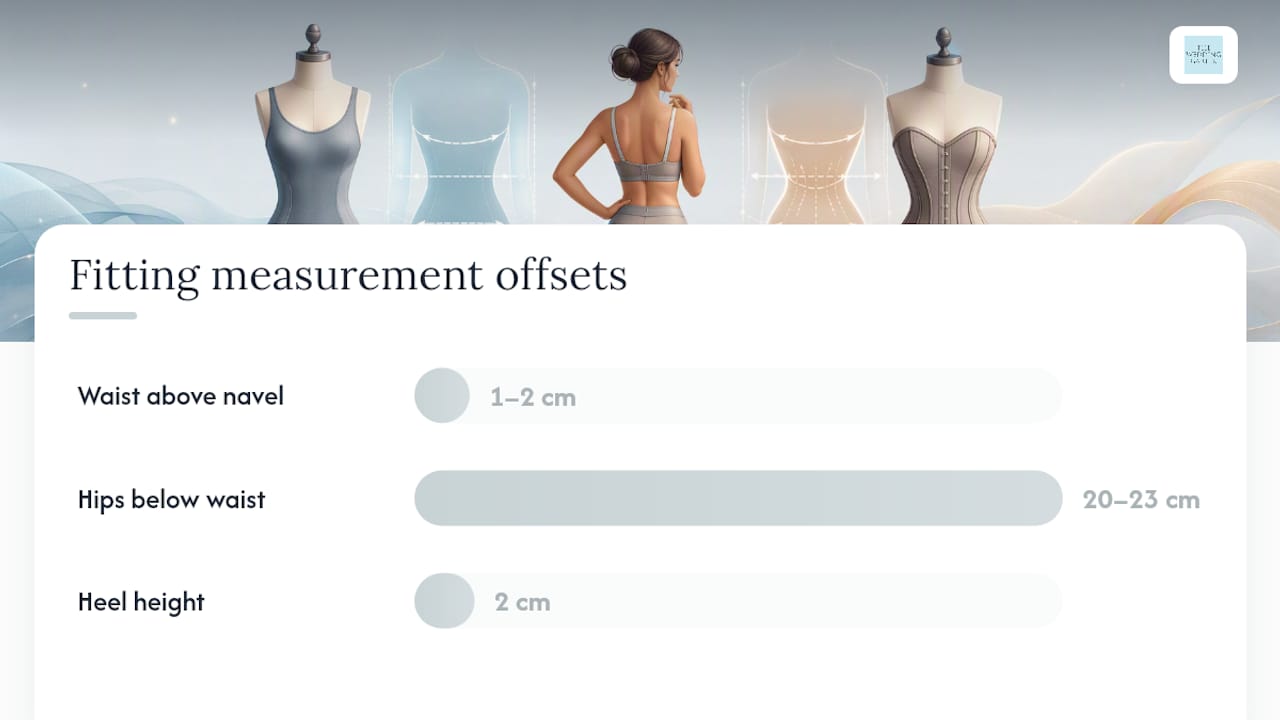
- Waist: measure at the narrowest point of your natural waist, usually one to two centimetres above your navel. Keep the tape snug but not tight.
- Underbust: measure directly under the bust, where a bra band sits.
- Hips: measure at the fullest point of your hips and seat, typically 20–23 centimetres below your natural waist.
- Compare to the size chart: Australian sizing often differs from US or UK charts. Always use the brand’s own size chart and, when between sizes, size up for shapewear and take the larger measurement for a corset.
Fit tests to run before committing:
- Breathing test: take a full, deep breath. You should be able to expand your ribcage without the garment digging in.
- Mobility test: sit, bend forward, and twist side to side. Shapewear should move with you; a corset will restrict but should not cause pain.
- Sit/stand test: sit for ten minutes, then stand. Check for rolling, pinching, or red marks on the skin.
Questions to ask a fitter or retailer:
- What type of boning does this corset use (steel vs synthetic)?
- Is this garment returnable or exchangeable if the fit is wrong?
- Do you offer custom sizing or plus-size options?
- What is the recommended break-in process for this corset?
Red flags that mean remove it now:
- Numbness anywhere in the torso or legs
- Visible bruising or deep red marks after less than one hour
- Inability to take a full breath
- Severe pain at any point
Pro Tip: Bring the shoes and the specific outfit you plan to wear when trying on bridal shapewear or a corset. A two-centimetre heel changes your posture, which changes how the garment sits.
Can you wear shapewear and a corset at the same time?
The short answer is: rarely, and only with care. Layering two compression garments doubles the pressure on your torso, which increases the risk of breathing restriction and discomfort. The general rule is to avoid stacking two rigid or firm layers.
When layering might work:
- A light, seamless shapewear brief worn under a fashion corset (not a steel-boned piece) to prevent chafing and create a smooth base
- A soft camisole shaper under an underbust corset to protect skin and reduce friction
Dos and don’ts:
- Do wear a thin cotton or seamless liner between your skin and a corset to protect against chafing
- Do test any layered combination at home for at least two hours before wearing it to an event
- Don’t layer firm shapewear with a steel-boned corset; the combined compression is too high for safe extended wear
- Don’t assume that more layers equal more shaping; fit and structure matter more than quantity
Bridal styling note: Many wedding dresses with built-in boning or a structured bodice already function as a light corset. Adding a separate corset underneath a structured gown can create bulk at the seams and affect the dress silhouette. A bridal bustier or underwire shaper is often the smarter choice. For ideas on how corsets and bustiers interact with bridal gowns, the guide to choosing a corset or bustier covers the key decisions.
Pro Tip: If your wedding dress has a built-in corset back, you may not need any additional shaping garment at all. Ask your dressmaker whether the bodice is structured enough to stand alone before purchasing shapewear.
How do you care for shapewear and corsets to make them last?
Proper care extends the life of both garments significantly. Shapewear loses its elasticity quickly with heat and rough washing; corsets warp permanently if stored or dried incorrectly.
Shapewear care:
- Hand wash in cool water with a gentle detergent, or machine wash on a delicate cycle in a mesh laundry bag.
- Never tumble dry; heat breaks down spandex fibres rapidly.
- Lay flat or hang to air dry away from direct sunlight.
- For nylon-spandex blends, avoid fabric softener, which degrades the elastic over time.
Corset care:
- Spot clean after each wear using a damp cloth and mild soap; avoid saturating the fabric.
- If a full wash is needed, hand wash in cool water and press gently; never wring or twist.
- Dry flat on a clean towel, reshaping the boning channels as you lay it out.
- Store laced slightly slack on a padded hanger or flat in a box; never fold a corset along the boning lines.
When to replace:
- Shapewear: when the fabric no longer springs back after stretching, or when seams roll or dig in despite correct sizing
- Corset: when boning pokes through the fabric, when the busk no longer closes cleanly, or when persistent odour remains after washing
For everyday comfortable undergarments that need minimal care, high-waist period underwear is a low-maintenance option worth considering on non-event days.
A bridal lingerie specialist’s note
Brides consistently underestimate how much the fit of their foundation garment affects the final look of their dress. The most common issue seen at bridal fittings is a bride who has purchased firm shapewear in her regular size, only to find it creates a visible ridge at the hip or rolls at the waist under a fitted gown. The fix is almost always to size up and choose medium compression over firm.
The single most practical tip for any bride: bring your shapewear or corset to every dress fitting, not just the final one. The way a garment sits changes as the dress is altered, and a shaper that worked at the first fitting may create a new problem after the bodice is taken in. Catching that early saves significant stress in the final weeks before the wedding.
For brides considering a bridal corset, the best bridal corsets for Australian brides guide covers construction, fit, and what to look for when shopping in Australia.
Bridal shapewear and corsets from The Wedding Garter Australia
Brides who want shaping, support, and style in one piece will find both options at The Wedding Garter Australia. The Romantic Lace Underwire Bridal Bustier delivers underwire support with corset-style structure, sitting beautifully under fitted and A-line gowns. For a sheer, fashion-forward alternative, the Delicate Sheer Lace Bridal Bustier Lingerie offers elegant coverage with a lighter hand. The Luxury White Lace Lingerie Chemise For Brides is the finishing layer for the wedding night, pairing with any of the shaping pieces above.

Complete the bridal look with accessories chosen with the same care as your foundation garment. The Vintage Art Deco Style Bridal Jewellery Set and the Sterling Silver Cubic Zirconia Pendant Bridal Jewellery Set complement both structured and relaxed bridal silhouettes. Add a Vintage Ivory Lace & Satin Bridal Garter or a Satin Bridal Garter With Floral Design for the finishing touch. The Wedding Garter Australia ships across Australia from the Gold Coast. Browse the full bridal lingerie and accessories range at Theweddinggarter to find the right fit for your day.
Sources
- Shapewear vs Corset | Mavena & Co
- Waist Trainer vs Corset: Which is Truly Better for You? The Ultimate Guide | YourFitnessRadar
- Waist trainers vs shapewear: Which is better? | Feelingirl
- Foundation garment — Wikipedia
- Shapewear for wedding dresses | Shapermint
- The best shapewear for your wedding dress | KWH Bridal
FAQ
Is shapewear the same as a corset?
No. Shapewear uses stretchy compression fabric for flexible smoothing, while a corset uses rigid boning and lacing for structural waist definition. They work differently and suit different occasions.
Will wearing a corset flatten your stomach?
A corset compresses and redistributes the appearance of the abdomen while worn, but no garment causes meaningful fat loss. The effect is temporary and reverses when you remove the garment.
Does shapewear actually shape you?
Shapewear smooths and contours your natural silhouette through compression, but it does not permanently reshape the body. Results last only while the garment is on.
Does shapewear flatten the tummy?
Yes, within limits. Medium to firm shapewear compresses the abdominal area to create a smoother appearance under clothing, but the effect is cosmetic and temporary, not structural.
Which is better for a wedding dress: shapewear or a corset?
For most brides, medium-compression shapewear matched to the gown silhouette is the more comfortable choice for a full wedding day. A bridal bustier or corset suits shorter formal sessions such as portraits, where dramatic shaping is the priority.
Recommended
- Best bridal corsets for Australian brides in 2026 – The Wedding Garter
- The Ultimate Guide to Sexy Wedding Lingerie: Choosing Your Dream – The Wedding Garter
- What to Wear Under a Form-Fitting Wedding Dress: Your Flawless Guide f – The Wedding Garter
- White Satin & Lace Strapless Wedding Corset - The Wedding Garter


Leave a comment