

Bridal anklet ideas: 10 styles for every wedding
For most brides, the three quickest ways to lift a bridal look with foot jewellery are a delicate chain anklet for gowns, a pearl or gemstone payal for lehengas and sarees, and a ghungroo or statement anklet for beach ceremonies and pre-wedding events. Each suits a different setting, and the right pick comes down to your outfit silhouette, ceremony location, and how visible you want the piece to be in photographs.
Quick picks at a glance:
- Best for gowns: Slim gold or silver chain anklet, worn on whichever ankle faces the camera during seated shots
- Best for beach or destination weddings: Layered chains or barefoot sandal, hypoallergenic and waterproof finish preferred
- Best for mehendi or sangeet: Ghungroo or kundan payal, where the sound and visual weight match the occasion
The single most useful rule: choose comfort first, then photographability. An anklet you remove by 3pm will not appear in your reception shots.
Key takeaways
Choosing the right bridal anklet comes down to three decisions: the style that suits your dress silhouette, the metal that suits your ceremony location, and whether the piece is for the day or for keeps.
| Point | Details |
|---|---|
| Match style to silhouette | Slim chains suit full-length gowns; bold payals and layered designs suit lehengas and beach ceremonies. |
| Check weight for comfort | Aim for 30–50 grams per ankle for all-day wear; heavy kundan pieces (80–100 grams) suit short rituals only. |
| Measure before ordering | Measure ankle circumference and add 1.5–2 cm; choose an adjustable extension chain when ordering online. |
| No strict leg rule | Wear the anklet on whichever ankle faces the camera or follows your cultural practice. |
| The Wedding Garter Australia | Stocks coordinating bridal jewellery, garters, and lingerie; contact for custom sizing and engraving with 2–4 weeks lead time. |
Table of Contents
- Top bridal anklet ideas: 10 styles and when to wear each
- How to pick the right anklet for your outfit and wedding type
- Which leg should you wear a bridal anklet on?
- Materials, closures and sizing: what to check before you buy
- Styling examples with shoes, henna and photography tips
- What stylists are asking for in 2026
- The anklet choice most brides underestimate
- Bridal accessories from The Wedding Garter Australia
- Sources
- FAQ
Top bridal anklet ideas: 10 styles and when to wear each
Editorial roundups and visual inspiration boards consistently show that brides want both tradition and modern versatility from their foot jewellery. These ten styles cover the full range.
1. Delicate gold chain A single fine-link gold chain is the most versatile wedding anklet style. It sits flush against the ankle, reads well in close-up photography, and disappears under a full-length gown when you want it to. Pair with strappy sandals or kitten heels for maximum visibility.
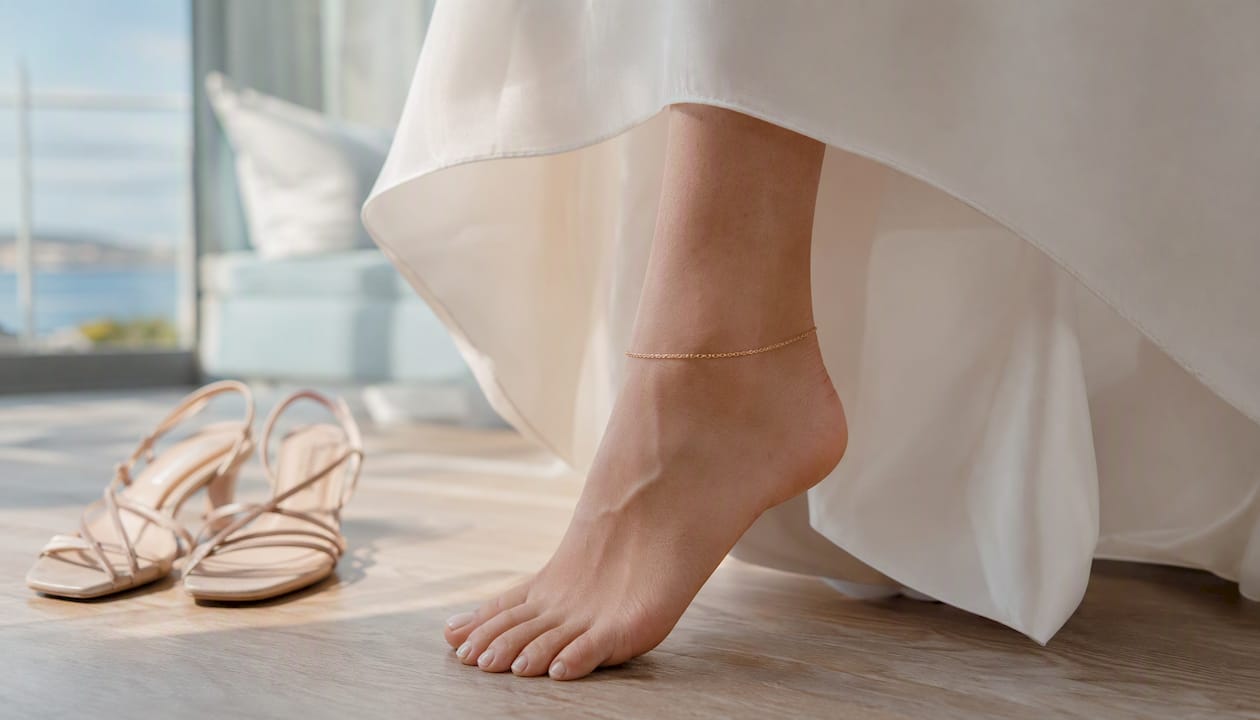
2. Sterling silver chain Silver suits cooler-toned gowns, ivory dresses, and contemporary minimalist looks. A Sterling Silver Cubic Zirconia Pendant Bridal Jewellery Set gives you a cohesive silver palette from neckline to ankle. Works especially well for garden and chapel ceremonies.
3. Pearl chain payal Pearls add softness and a vintage quality that suits A-line and ballgown silhouettes. A kundan and pearl payal is a natural choice for lehenga and saree brides, where the piece complements embroidery rather than competing with it.
4. Gemstone anklet Coloured stones — sapphire, emerald, or ruby — work as a subtle nod to a wedding colour palette. Keep the rest of your jewellery neutral if you go this route. Gemstone anklets photograph well against bare skin at beach ceremonies.
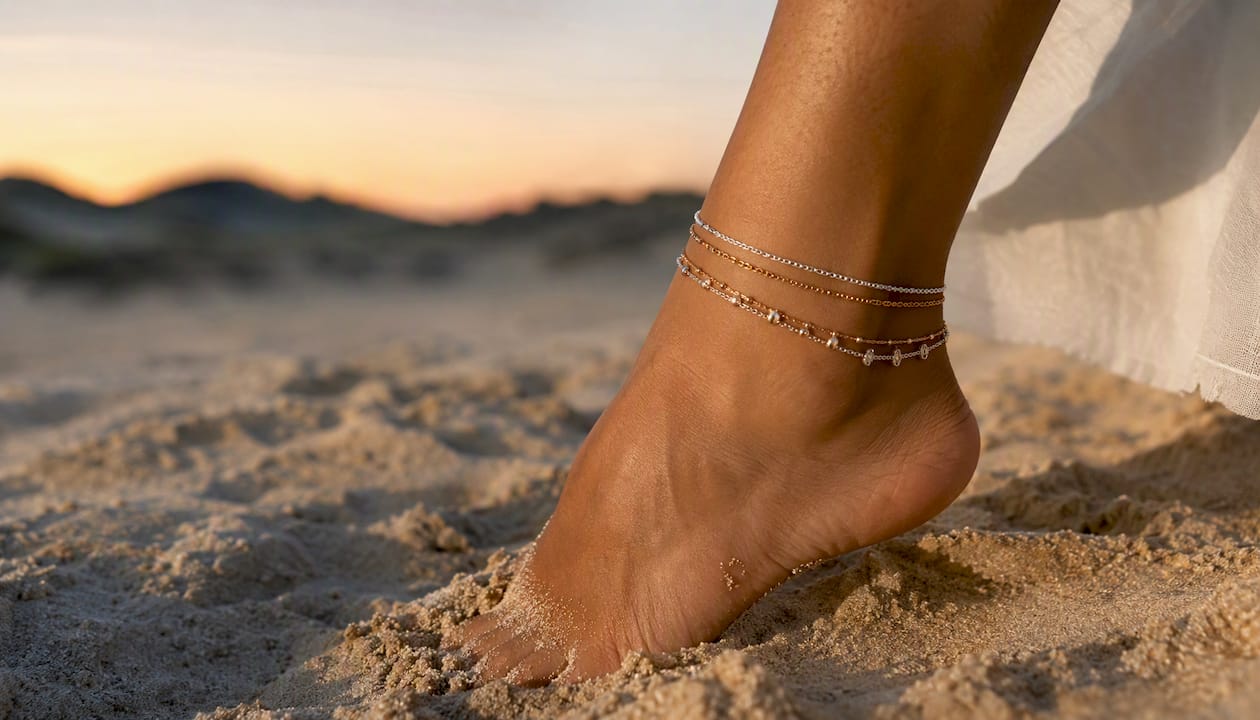
5. Layered anklet Two or three fine chains worn together create visual depth without adding significant weight. This style suits boho, beach, and destination weddings. Mix metals deliberately — gold and rose gold layer well together; silver and gold can clash unless the tones are very close.
6. Ghungroo or bell anklet Ghungroo anklets often contain small bells that produce a gentle sound with each step., which produce a gentle sound with each step. Designer Varda notes that the sound of bells is highly valued during rituals, and that anklets of this style enhance mehendi patterns visually. Best reserved for mehendi, sangeet, or haldi ceremonies rather than a long reception where the sound may become tiring.
7. Tribal or oxidised silver Oxidised silver has a matte, antique finish that pairs with bohemian, rustic, and outdoor weddings. It also coordinates with a Vintage Art Deco Style Bridal Jewellery Set for brides who want a consistent antique theme across all their pieces.
8. Barefoot sandal or foot chain A barefoot sandal connects a toe ring to an ankle chain with a decorative bridge across the top of the foot. This style is made for beach ceremonies where shoes come off. Choose a waterproof, tarnish-resistant finish so it survives sand and sea.
9. Charm or personalised initial anklet Brides increasingly engrave initials, wedding dates, or add detachable charms to make the piece a keepsake worn long after the wedding. A simple chain with a single initial charm reads as modern and personal without being heavy.
10. Kundan or polki statement anklet Kundan and polki settings use uncut gemstones set in gold foil, producing a rich, traditional look suited to grand ceremonies and reception entrances. These pieces tend to be heavier, so they work best for shorter wear periods during key rituals.
Pro Tip: Ask your photographer to schedule a dedicated two-minute anklet detail shot early in the day, before dancing and movement cause any chain to shift or tangle. Natural light at ankle height reads beautifully.
How to pick the right anklet for your outfit and wedding type
Matching an anklet to your look takes four quick decisions.
- Dress silhouette first. A full-length gown calls for a slim chain that sits close to the skin. A midi or tea-length dress, or a lehenga, can carry a bolder payal or layered design because the ankle is more visible throughout the day.
- Footwear second. Strappy sandals frame an anklet naturally. Closed pumps hide it entirely. If you plan to go barefoot, a barefoot sandal or wider layered chain gives the visual impact the moment deserves.
- Ceremony location third. Beach and outdoor ceremonies favour waterproof, hypoallergenic metals. Indoor chapel or ballroom ceremonies allow for more delicate finishes that need careful handling.
- Longevity last. Decide whether you want to keep the piece, gift it to a bridesmaid, or pass it down. Personalised pieces with engraving are worth the extra investment; fashion-plated pieces are fine if the anklet is purely for the day.
Checklist before you buy:
- Weight: Aim for 30–50 grams per ankle for all-day comfort. Heavy kundan pieces (80–100 grams) are better suited to short rituals only.
- Finish: Polished gold or silver for formal ceremonies; oxidised or matte for bohemian and outdoor settings.
- Metal: Solid gold and sterling silver hold up best. Gold-plated and silver-plated options are budget-friendly but need careful handling around water and sweat.
- Hypoallergenic: Titanium, solid gold, and sterling silver are the safest choices for sensitive skin.
- Waterproof: Stainless steel and solid gold resist tarnish in humid or coastal conditions.
- Budget: Fine chain anklets start from around AU$30–$80 for plated options; sterling silver and solid gold pieces range from AU$100 upward; bespoke kundan or personalised pieces can reach AU$300–$600 or more depending on the maker.
For a full checklist of bridal jewellery essentials, coordinate your anklet choice with your earrings, bracelet, and neckline before finalising any single piece.
Which leg should you wear a bridal anklet on?
There is no universal rule. Modern brides choose based on comfort, photo visibility, or cultural practice rather than any binding convention.
- Right ankle: Common in many South Asian traditions, where the right side carries auspicious significance.
- Left ankle: Preferred by some Western brides and those who find it more comfortable during dancing.
- Both ankles: Layered or matching payals on both feet are traditional in several Indian regional customs and create strong visual symmetry in photographs.
- Cultural guidance: If your family follows a specific regional tradition, check with elders before the wedding. For multicultural ceremonies, wearing a piece on each ankle is often a respectful way to honour both backgrounds.
When family tradition and personal style differ, a practical middle ground is to wear the culturally significant piece during the ceremony and switch to a lighter, more comfortable anklet for the reception.
Materials, closures and sizing: what to check before you buy
Materials
- Solid gold (9ct, 14ct, 18ct): The most durable and hypoallergenic option. Holds its finish through dancing, humidity, and beach settings.
- Sterling silver: Affordable and elegant; can tarnish with prolonged exposure to sweat or saltwater, so dry it after beach ceremonies.
- Gold-plated or silver-plated: Budget-friendly but the plating wears over time, especially at clasp points. Fine for a single day’s wear.
- Cubic zirconia: Adds sparkle without the cost of diamonds. Works well in delicate chain settings for formal ceremonies.
- Pearls: Soft and classic; avoid submerging in water as prolonged exposure dulls the nacre.
- Waterproof and tarnish-resistant finishes: Destination and beach brides favour these finishes so the anklet can be worn through sand and sea without removal.
Closures
- Lobster clasp: Secure and easy to operate; the most reliable for active wear and dancing.
- S-hook: Traditional and simple, but can open if snagged. Better for quieter ceremonies than high-energy receptions.
- Adjustable extension chain: Adds 2–3 cm of flexibility and is the safest choice if you are ordering online without being measured in person.
- Closed hoop (soldered): No clasp at all; must be sized precisely. Beautiful for a clean look but requires accurate measurement.
Sizing
Measure your ankle circumference with a soft tape measure at the narrowest point, then add 1.5–2 cm for comfort. Most adult ankles measure between 20–25 cm. For dancing and barefoot moments, add the full 2 cm rather than the minimum. If ordering a custom or engraved piece, allow extra lead time — most Australian jewellers need 2–4 weeks for personalised work.
Pro Tip: If you are between sizes, always order the adjustable-chain version. A chain that is slightly loose reads better in photographs than one that digs into the skin.
Styling examples with shoes, henna and photography tips
Outfit pairings
A-line gown with delicate chain: A slim gold or silver chain worn on the ankle facing the aisle reads as understated elegance. Pair with strappy block-heeled sandals so the chain is visible at eye level during the ceremony. Slim chains photograph particularly well in close-up detail shots and are ideal under full-length gowns.
Lehenga with kundan or pearl payal: The heavier visual weight of a lehenga calls for a payal that matches its embroidery. A kundan or pearl chain in gold complements zardozi or gota patti work without looking mismatched. Wear juttis or embroidered flats so the payal sits at the hem and is visible in walking shots.
Barefoot beach ceremony with layered anklets: Two or three fine chains in mixed metals create movement and catch light against bare skin. Wider or layered chains deliver the visual impact needed when the ankle is the focal point of the frame.
Mehendi with ghungroo: The sound of the bells marks each step during the ritual, and the piece frames henna patterns on the foot. Keep other jewellery minimal so the ghungroo reads clearly in photographs.
Photography tips
- Shoot detail shots early in the day before chains shift.
- Ask for a low-angle shot with natural light falling across the ankle.
- For beach ceremonies, wet sand reflects light upward and makes layered anklets appear more luminous on camera.
- Coordinate the anklet shot with your bridal earrings detail shot so the photographer captures both in the same lighting setup.
What stylists are asking for in 2026
Two clear trends are shaping bridal anklet choices for Australian brides right now.
The first is the return of bespoke gold. Jewellers report a resurgence in personalised gold anklets as brides favour heirloom-style pieces that carry a personal story. Jeweller Rishabh Goyal notes that younger brides increasingly request pieces engraved with initials or wedding dates rather than selecting off-the-shelf designs. The appeal is clear: a piece that means something specific to you is one you will actually wear again.
The second trend is sustainability and practicality for destination weddings. Waterproof, tarnish-resistant finishes in recycled sterling silver and solid gold are appearing more frequently in Australian bridal boutiques, driven by the popularity of coastal and outdoor ceremonies. Brides planning a Whitsundays or Byron Bay wedding are specifically asking for pieces that survive a full day at the beach without needing to be removed.
For Australian brides, the practical upshot is to prioritise solid metal over plated finishes if you are spending a day near water, and to budget for engraving if you want the piece to outlast the wedding.
The anklet choice most brides underestimate
The conventional wisdom is to match your anklet to your other jewellery metals and call it done. That advice is not wrong, but it misses the more interesting decision: whether the anklet is a photograph piece, a ritual piece, or a keepsake piece. Each of those roles calls for a different choice.
A photograph piece needs to be visible, light-catching, and comfortable enough to wear for eight hours. A ritual piece can be heavier and more ornate because it comes off after the ceremony. A keepsake piece should be made from a metal that lasts and carry something personal — a date, an initial, a charm that means something specific to you.
Most brides try to make one anklet do all three jobs, and that is where the compromise starts. The cleaner approach is to choose your primary role first, then select the style that serves it best. If the anklet is going to live in a jewellery box after the wedding, a fashion-plated piece is perfectly fine. If you plan to wear it on anniversaries, invest in solid gold or sterling silver and have it engraved.
The Gold Coast team at The Wedding Garter Australia sees this question come up regularly. The brides who are happiest with their choice are the ones who decided what the piece was for before they decided what it looked like.
Bridal accessories from The Wedding Garter Australia
Brides assembling a complete look often find that the anklet is the last piece they think about and the first one they wish they had planned earlier. Ordering a custom or engraved anklet from an Australian supplier typically requires 2–4 weeks lead time, so factor that into your timeline alongside your gown fittings.
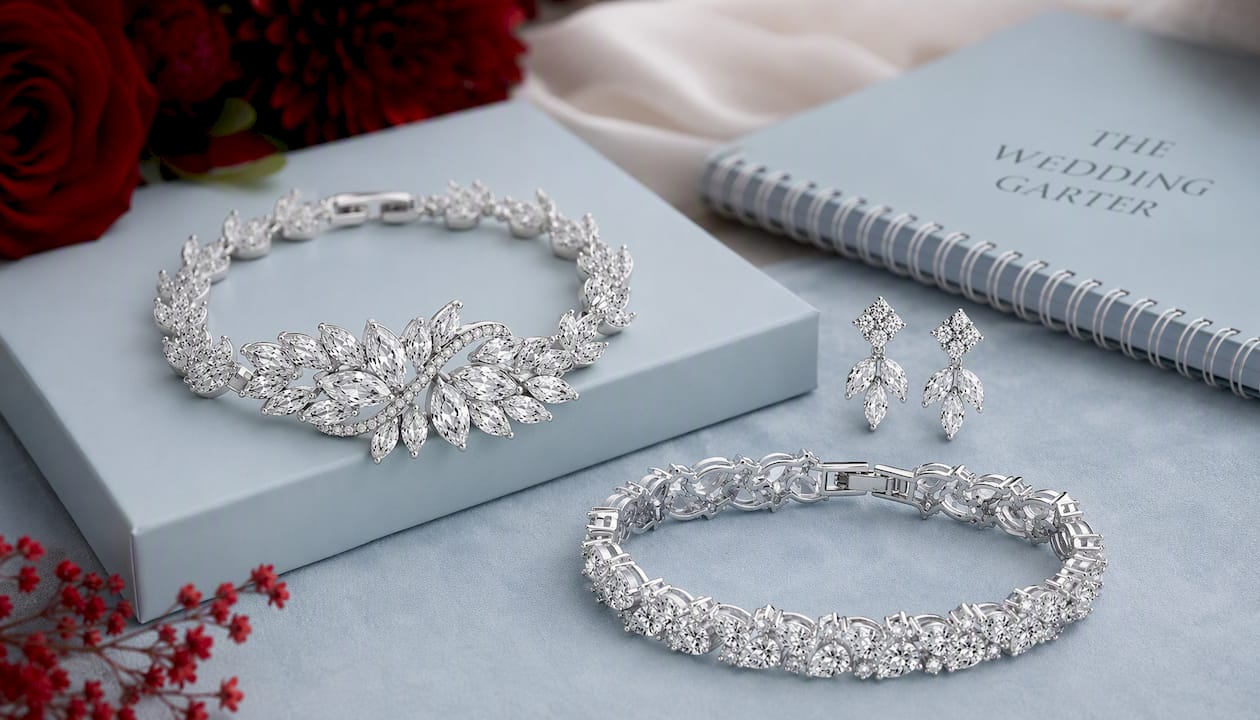
The Wedding Garter Australia, based on the Gold Coast, carries a curated range of bridal jewellery and accessories that coordinate naturally with anklet styles. The Delicate Crystal Luxury Bridal Bracelet pairs with slim chain and crystal anklet styles for balanced wrist-to-ankle detailing. The Satin Bridal Garter With Floral Design and Vintage Ivory Lace & Satin Bridal Garter complement anklet keepsakes as part of a coordinated bridal accessories set. For brides planning boudoir or wedding-night photography, the Luxury White Lace Lingerie Chemise For Brides and Romantic Lace Underwire Bridal Bustier create a cohesive look when worn alongside a delicate anklet keepsake. Browse the full jewellery and accessories range at Theweddinggarter and contact the team directly for custom sizing or engraving requests before placing your order.
Sources
- Bridal Anklets: Adding a Touch of Tradition to Modern Weddings - BlueStone Blog
- Pajeb to personalised payals: Brides are opting for charming foot jewellery
- The Return Of The Bridal Gold Anklet
- Bridal Anklets: The Wedding Accessory Most Brides Forget — and Shouldn’t - Custom anklets
- 6 Stunning Anklet Designs To Complement Your Bridal Attire: Wedding 2024 Edition
FAQ
What does wearing an anklet symbolise for a bride?
In many South Asian traditions, anklets symbolise prosperity, femininity, and the transition into married life. In contemporary Western weddings, they are primarily a personal style choice and keepsake.
Is there a rule about which leg a bridal anklet goes on?
No strict rule applies. Modern brides choose based on comfort, photo visibility, or cultural practice, with some South Asian traditions favouring the right ankle and others wearing matching pieces on both feet.
Are anklets in style for weddings in 2026?
Yes. Jewellers report a clear resurgence in bespoke gold anklets and personalised payals, with waterproof and tarnish-resistant finishes growing in popularity for destination and beach weddings.
What are the best bridal anklet ideas for a beach wedding?
Layered fine chains, barefoot sandals, and waterproof hypoallergenic finishes in solid gold or stainless steel are the most practical choices. Bolder or wider chains create stronger visual impact when the ankle is the focal point of the frame.
How do I measure my ankle for a bridal anklet?
Measure the circumference at the narrowest point of your ankle with a soft tape measure, then add 1.5–2 cm for comfort. Most adult ankles fall between 20–25 cm, and ordering an adjustable-chain version removes the guesswork when buying online.
Recommended
- The Best Bridal Earrings Style For Every Dress Neckline - The – The Wedding Garter
- Bridal Bracelets Buying Guide: Finding Your Perfect Wedding Sparkle in – The Wedding Garter
- Modern Wedding Garter Ideas: Gorgeous Styles for the 2026 Bride – The Wedding Garter
- Ultimate Wedding Garters Buying Guide for Your Dream Day in 2026 - – The Wedding Garter


